Hotel California
A Gilded Cage on a Dark Desert Highway
Few songs in the history of popular music have attracted as much speculation, analysis, and outright mythologizing as "Hotel California" by the Eagles. Released in February 1977 as the second single from the album of the same name, the track became an instant cultural touchstone, reaching number one on the Billboard Hot 100 and winning the Grammy Award for Record of the Year in 1978[1]. Decades later, it remains one of the most recognizable recordings ever made, its haunting guitar introduction and cryptic narrative still pulling listeners into a world that feels simultaneously glamorous and menacing.
What makes this song endure is not just its masterful arrangement or the iconic twin guitar coda performed by Don Felder and Joe Walsh. It is the lyrical world that Don Henley and Glenn Frey constructed: a place that seems to promise paradise but delivers something closer to a velvet-lined prison. The song invites interpretation without ever fully surrendering its secrets, and that tension between clarity and ambiguity is precisely what has kept people talking about it for nearly fifty years.
The Making of a Masterpiece
The Eagles recorded Hotel California (the album) between March and October 1976 at Criteria Studios in Miami and Record Plant in Los Angeles, with producer Bill Szymczyk at the helm[2]. It was the band's fifth studio album and a pivotal moment in their evolution. Bernie Leadon, the member most associated with the group's country rock origins, had departed after One of These Nights in 1975. His replacement was Joe Walsh, a harder-edged rock guitarist whose presence signaled a deliberate shift in the band's sonic direction[2].
The music for the title track originated with Don Felder, who recorded a demo of a sprawling, Spanish-tinged guitar piece at his home studio[3]. Glenn Frey and Don Henley then spent months crafting lyrics to match the mood of Felder's composition. Frey later explained their ambition in refreshingly frank terms: they wanted to write something deliberately strange and cinematic, inspired in part by the unsettling atmosphere of John Fowles' 1965 novel The Magus, a story about a man drawn into an elaborate psychological game on a remote Greek island[4]. Frey described the goal as achieving "perfect ambiguity," a song where meaning shimmered and shifted without ever resolving into a single, tidy explanation[4].
The band was, by this point, deeply embedded in the very world they were writing about. The Eagles were among the most commercially successful acts of the 1970s, living in the glittering, excessive orbit of the Los Angeles music industry. Henley, Frey, and the rest of the group were middle-class kids from the Midwest and Texas who had made it to the top of the California dream and found the view more unsettling than they had expected[5].
The Dark Underbelly of the American Dream
Don Henley has spoken about the song's meaning on numerous occasions over the decades, and his explanations have evolved, though the core idea has remained consistent. In a widely cited interview with 60 Minutes in 2002, Henley stated plainly: "It's basically a song about the dark underbelly of the American dream and about excess in America, which is something we knew a lot about"[5]. On other occasions, he has described it as "a journey from innocence to experience" and, more broadly, as a sociopolitical statement about a nation losing its moral compass[5].
The song opens with a solitary traveler making his way through a barren landscape at night. He is tired, road-weary, and drawn toward a shimmering light in the distance. The imagery evokes something almost biblical: a pilgrim approaching what could be either a sanctuary or a mirage. The warm welcome he receives upon arrival feels seductive, even enchanting, but there are signs from the very beginning that something is not quite right. The atmosphere is dreamlike, the details slightly off-kilter, the beauty undercut by a persistent sense of unease.
As the narrative unfolds, the hotel reveals itself as a place of lavish indulgence. There are beautiful, mysterious figures, corridors echoing with voices, a courtyard where guests dance and celebrate. But the luxury is tinged with darkness. The narrator encounters people who seem trapped in cycles of pleasure and excess, unable to leave even as the glamour begins to curdle. There are references to feasting and ritual that carry an undercurrent of spiritual emptiness, a banquet where the sustenance is purely material and the soul goes unfed.
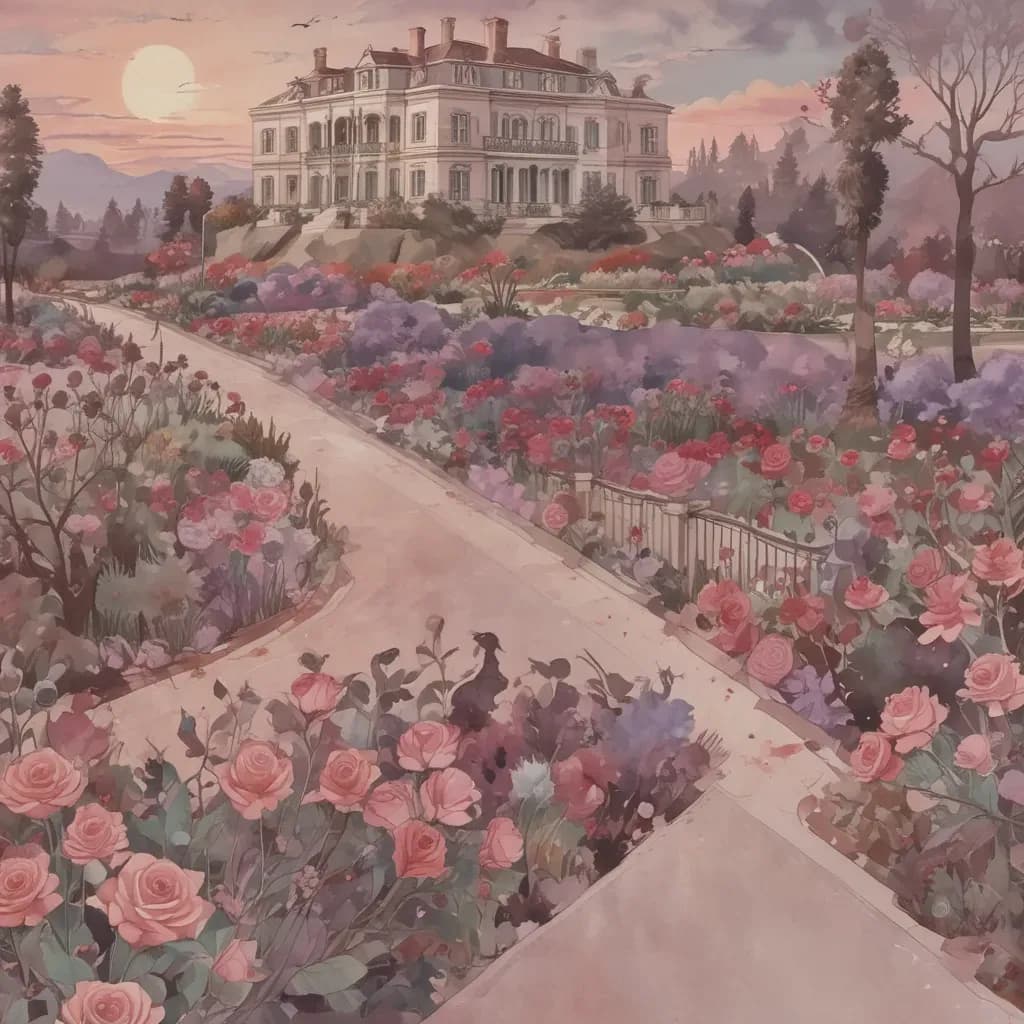
The hotel, as Henley has confirmed, is not a literal place. It is a metaphor for the seductive surface of the Southern California lifestyle of the mid-1970s (and, by extension, American consumer culture more broadly)[5]. It represents the way that comfort, wealth, and pleasure can become their own kind of trap. You are always free to leave, in theory. But in practice, the golden handcuffs are difficult to slip.
A Mirror for the Music Industry
While the song operates on a broad cultural level, it also functions as a pointed commentary on the music industry itself. Henley has acknowledged this dimension directly, noting that the song is in part about "the music business"[5]. By 1976, the Eagles were living in the eye of the storm they were describing. They were one of the best-selling bands in the world, surrounded by the very excess, narcissism, and corruption that the song critiques.
There is a particular irony in the fact that this song became one of the most profitable recordings in rock history. The Eagles were not writing from the outside looking in; they were writing from deep within the belly of the beast, struggling with the same tensions between art and commerce, authenticity and spectacle, that the song explores. The hotel is, in a sense, the record industry itself: a place that promises creative freedom and delivers contractual obligation, a place where artistic ideals are slowly consumed by the machinery of fame.
This self-awareness gives the song much of its power. It is not a preachy morality tale delivered from a safe distance. It is a confession from people who recognize themselves among the trapped guests, who understand that their own success has made them prisoners of a system they once thought they were using to express themselves.
Innocence, Experience, and the California Myth
Henley's description of the song as "a journey from innocence to experience"[5] places it in a long American literary tradition. California has always occupied a unique position in the national imagination: the final frontier, the land of perpetual sunshine and reinvention, the place where the westward drive of American ambition reaches the ocean and has nowhere left to go. From the Gold Rush to Hollywood to the counterculture of the 1960s, California has represented both the ultimate promise and the ultimate reckoning.
By the mid-1970s, the idealism of the sixties had curdled. The Manson murders, the collapse of the counterculture, the oil crisis, Watergate, and Vietnam had collectively shattered the optimism of the previous decade. The flower children had become record executives and cocaine dealers. The Summer of Love had given way to a hangover that would last for years. In this context, the Eagles' vision of a gorgeous, inescapable hotel reads as a metaphor for a generation that had pursued paradise and found themselves trapped in a gilded version of the world they had hoped to transcend.
The song's final image, in which the narrator attempts to leave only to be told that departure is impossible, crystallizes this theme with devastating simplicity. The prison is not made of bars and locks. It is made of comfort, habit, and the slow erosion of the will to choose a different path. That is what makes the hotel so terrifying: it does not restrain its guests by force. It simply makes the alternative unthinkable.
Alternative Readings and Persistent Myths
Part of what makes "Hotel California" so endlessly fascinating is the sheer range of interpretations it has attracted. Over the years, listeners have proposed readings that range from the plausible to the outlandish.
One of the most persistent theories involves Satanism. Some listeners have heard allusions to occult ritual in the song's references to gatherings and feasting, and the album cover, which features the Beverly Hills Hotel photographed at twilight, has been subjected to exhaustive analysis by conspiracy theorists looking for hidden symbols[6]. The band has repeatedly denied any Satanic content, and Henley has expressed frustration at what he considers a fundamental misreading of the song's intent[6].
Other listeners have interpreted the hotel as a metaphor for addiction, specifically drug addiction. This reading has more textual support. The song's portrayal of a place that seduces you, traps you, and makes escape feel impossible maps neatly onto the experience of substance dependency. The 1970s music scene was, of course, rife with drug use, and the Eagles were not immune. While Henley has not endorsed this as the primary meaning, the metaphor is clearly available in the text, and the band members' own experiences with the excesses of the era lend it a biographical dimension[1].
Still others have read the song as a commentary on mental illness, as an allegory for purgatory, or as a straightforward ghost story. In one memorable interview, Henley pushed back against an interviewer who he felt was misreading the lyrics, saying, "You're not the first to completely misinterpret the lyric." His irritation suggests a songwriter who is simultaneously proud of his creation's ambiguity and frustrated by interpretations that miss the mark entirely.
Glenn Frey seemed more sanguine about the multiplicity of readings. He acknowledged that he and Henley had set out to write something that resisted easy explanation, and he appeared genuinely amused that the song had taken on a life far beyond anything they had imagined. "People read things into that song," Frey noted, "that were beyond our wildest ideas about what that song meant"[4].
The Sound of Unease
The song's musical arrangement reinforces its thematic content with remarkable precision. Don Felder's opening guitar figure, with its descending minor-key melody and Latin-flavored acoustic picking, immediately establishes a mood of nocturnal beauty and subtle menace[3]. The arrangement builds slowly, layering instruments and vocal harmonies in a way that mirrors the narrator's gradual immersion in the hotel's world.
Henley's vocal performance is perfectly calibrated: weary, hypnotic, and tinged with a resignation that suggests the narrator already suspects he will not be leaving. The production, warm and spacious, creates a sonic environment that is itself seductive, pulling the listener into the same comfortable trap that the lyrics describe.
And then there is the guitar solo. Clocking in at over two minutes, the dual lead performed by Felder and Walsh is one of the most celebrated instrumental passages in rock history. In 1998, readers of Guitarist magazine voted it the greatest guitar solo of all time[7]. It serves as the song's emotional climax, a wordless expression of the longing, frustration, and beauty that the lyrics have been circling. The solos intertwine and chase each other, harmonizing and diverging, creating a musical conversation that feels both ecstatic and desperate.
Why It Still Resonates
Nearly fifty years after its release, "Hotel California" continues to appear in films, television shows, and cultural conversations. It featured memorably in The Big Lebowski and The Sopranos, among many other works. It is one of the most covered, parodied, and referenced songs in the popular canon.
Its staying power lies in its universality. The specific details may be rooted in 1970s Los Angeles, but the underlying theme, the way that comfort and success can become a trap, the way that the pursuit of pleasure can hollow you out, the way that freedom can be surrendered so gradually that you barely notice it happening, speaks to something fundamental in the human experience. Every generation rediscovers the song and finds its own version of the hotel.
The song endures because it captures a truth that most people recognize but few articulate so precisely: the things we think we want can become the very things that imprison us. The hotel is not out there on some dark desert highway. It is the life we have built around ourselves, beautiful and suffocating in equal measure. And the most frightening thing about it is not that we cannot leave. It is that, deep down, we may no longer want to.
References
- Hotel California - Wikipedia — Comprehensive overview of the song's history, chart performance, Grammy wins, recording details, and cultural impact
- Hotel California (album) - Wikipedia — Recording history of the album at Criteria Studios and Record Plant, personnel changes, and production details
- How I Wrote Hotel California, by Don Felder - Louder Sound — Don Felder's first-person account of composing the original guitar demo at his Malibu beach house
- 5 Things You Might Not Know About The Eagles' Hotel California - ABC News — ABC News feature covering lesser-known facts about the song, including Glenn Frey's quotes about The Magus influence and achieving perfect ambiguity
- Don Henley on the Eagles, Glenn Frey, and Hotel California - CBS News — CBS News interview with Don Henley discussing the meaning of Hotel California, including his famous quotes about the dark underbelly of the American dream
- Hotel California Satanism Rumor - Snopes — Fact-check debunking the persistent Satanism conspiracy theories surrounding the song and album cover
- Eagles' Hotel California Voted Best Guitar Solo - Rolling Stone — Rolling Stone coverage of the 1998 Guitarist magazine readers' poll naming Hotel California's dual solo the greatest of all time