Bolna
A Plea for Words
There is a peculiar kind of longing that comes from loving someone who will not speak. Not the pain of being ignored, but something more delicate: the ache of watching someone hold back their heart when you want nothing more than to hear it. This is the emotional core of "Bolna," the haunting romantic ballad from the 2016 Bollywood film Kapoor & Sons. Its title, a Hindi word meaning simply "to speak" or "to say," frames the entire song as a plea. Across barely three and a half minutes, a voice asks for one thing: say something. Let me hear you.
Background: A Song Born Overnight
Released on 24 February 2016 as the lead single from the Kapoor & Sons soundtrack, "Bolna" arrived two weeks before the film's 18 March theatrical release.[1] It was composed by Tanishk Bagchi, with lyrics by Dr. Devender Kafir, and features vocals from Arijit Singh alongside Asees Kaur, released under Sony Music India.[2]
For Tanishk Bagchi, "Bolna" was far more than just another commission. Before this song, he had been confined largely to producing item numbers and party tracks. His debut as a solo romantic composer for a major Dharma Productions film was, in his own words, "a very important song in my life."[3] According to his account, he was briefed on the emotional context of the film, adapted one of his existing compositions into a folk-romantic arrangement, and returned the following day with what would become one of the year's most beloved songs. The track was approved on the first listen.[4]
The film that surrounds the song, directed by Shakun Batra, is a study in family dysfunction set in the picturesque hill town of Coonoor. Two estranged brothers are compelled to return home when their aging grandfather suffers a cardiac episode, and the reunion tears open years of buried resentment: parental favoritism, a hidden affair, and one son's concealed identity. Critics responded with unusual warmth. Anupama Chopra of Film Companion wrote that it "will break your heart,"[5] and the film went on to win multiple Filmfare Awards including Best Story and Best Screenplay.[6] That context is essential for understanding "Bolna," because Kapoor & Sons is, at its heart, a film about the cost of silence. Characters who cannot tell the truth. Lovers who cannot say what they feel. The word "bolna" sits at the film's thematic center.
Arijit Singh at the Peak of His Powers
By early 2016, Arijit Singh had already redrawn the landscape of Hindi film music. His breakthrough with "Tum Hi Ho" from Aashiqui 2 in 2013 had made him Bollywood's defining romantic voice, and the years since had only deepened that dominance.[7] In 2016, the year "Bolna" was released, he began a run of five consecutive Filmfare Awards for Best Male Playback Singer, matching a record previously held by the legendary Kumar Sanu.[7] That same year he would also record "Channa Mereya," which spent seven weeks at the top of national music charts, and contribute to the soundtracks of Ae Dil Hai Mushkil and Dangal.[7]
"Bolna" occupied a particular place within that extraordinary year: quieter, more intimate, rooted in folk melody rather than orchestral grandeur. Where many of his celebrated performances lean into emotional intensity, this song asked for restraint. He allows the folk simplicity of Bagchi's melody to carry the emotion rather than decorating it with excess, and the result is something that feels almost conversational in its tenderness.
What the Song Is Actually Asking
The word "bolna" carries a specific weight in Hindustani usage. It is not a dramatic command but a gentle petition, almost childlike in its simplicity. When combined with "mahi," a Punjabi and Braj term of endearment for a beloved, the song's central refrain becomes something intimate and tender: a murmur rather than a cry. The speaker is not demanding. They are pleading.
What distinguishes "Bolna" from generic Bollywood love songs is the nature of what is being requested. Most romantic songs in Hindi cinema ask for love, for time, for union. This one asks only for words. The beloved's silence is not figured as cruelty but as withholding, a reservoir of feeling the speaker desperately wants to see overflow. In this way the song transforms the act of speaking itself into the ultimate romantic declaration.
The lyrics describe a love so total that the speaker has been changed at the level of identity. The beloved's presence has left a mark that cannot be erased, a stain that becomes indistinguishable from the self. This is a recurring motif in the Sufi-inflected tradition of South Asian love poetry, where the lover does not simply desire the beloved but has been transformed by them. Their essence and spirit have seeped into the speaker's own being, making separation not just painful but ontologically impossible.
There is also a strong theme of devotional surrender. The speaker wants to share every emotional state with the beloved, to dissolve into their world entirely. The imagery then grows protective: the speaker envisions sheltering the beloved deep within themselves, closing that internal door and never opening it again. This is love not as possession but as sanctuary. The beloved is precious enough to be hidden, kept safe from a world that might diminish them.
The song's most striking claim is its acceptance of mortality. Even death, the narrator implies, would not create the distance that silence creates. The speaker would remain, even after dying, unwilling to depart. The beloved's refusal to speak is thereby presented as more alienating than death itself. Silence, not absence, is the true enemy of love.
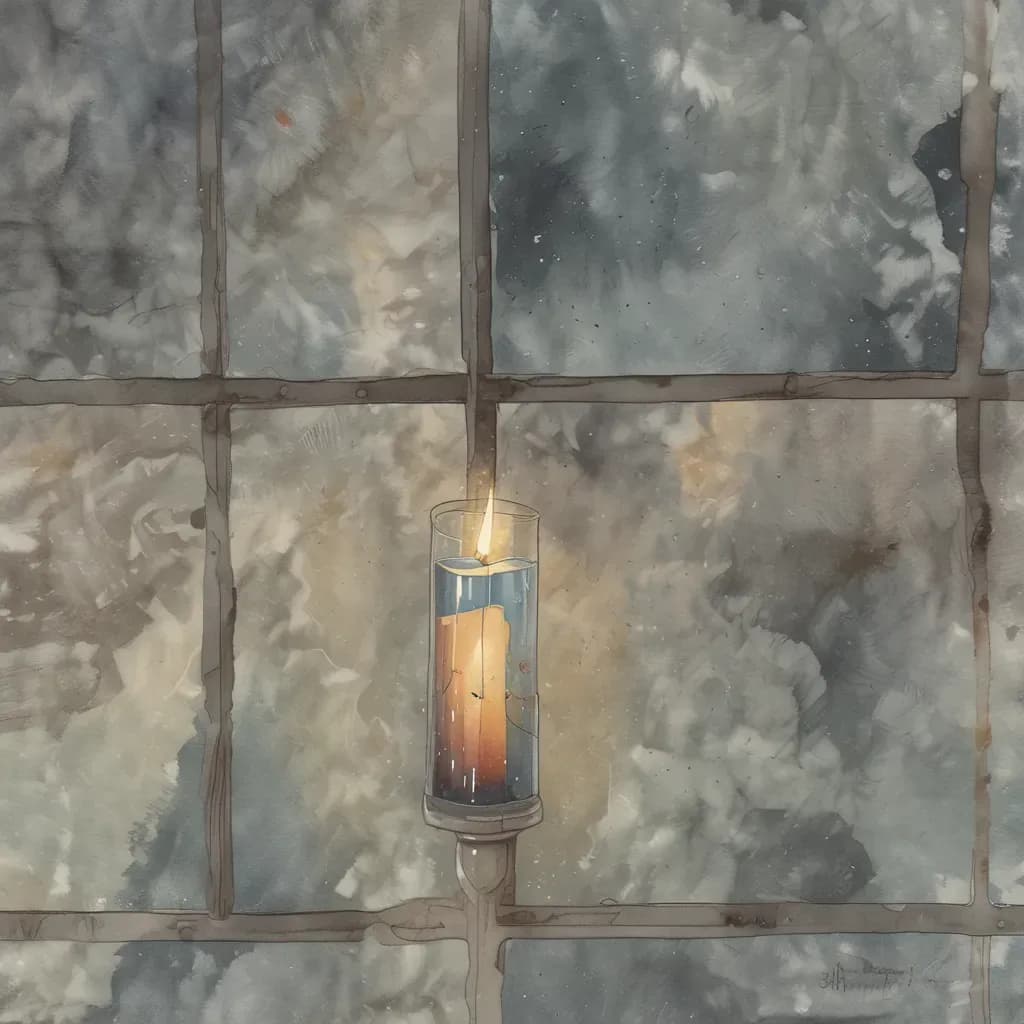
The Folk Aesthetic and Tanishk Bagchi's Arrangement
Tanishk Bagchi built the arrangement around a folk-romantic sensibility that draws heavily on Punjabi musical idiom.[8] The use of "mahi" as a term of address immediately situates the song within a tradition of rural Punjabi devotional song, where longing is mapped onto the landscape itself. The melody moves with unhurried grace, and there is an earthy warmth to the production that separates it from the more polished, orchestral Bollywood ballads of the era.
Asees Kaur's contribution as the second voice adds a dimension that solo performances lack. Rather than a single narrator pleading into silence, the song becomes something closer to a dialogue: two voices asking each other the same question, two hearts uncertain whether the other will speak first. This structure mirrors the film's central romantic dynamic, where the two young leads orbit each other with the tentative uncertainty of people who want to say something but have not yet found the words.
Cultural Significance
"Bolna" crossed two million YouTube views within two days of its release, a strong digital milestone for early 2016.[1] It became one of the defining romantic songs of the Bollywood spring season and helped shift perceptions of Tanishk Bagchi as a composer. Both Bagchi and Asees Kaur won Upcoming Artist awards at the 2017 Mirchi Music Awards on the strength of this single, marking it as a genuine launching pad for two careers.[1]
The song also fits into the broader cultural moment of 2016 Bollywood, which was producing a wave of introspective, emotionally honest romantic films. Kapoor & Sons sat alongside Ae Dil Hai Mushkil and Tamasha in a generation of films asking whether Hindi cinema could portray love and family with genuine complexity. "Bolna" belongs to that spirit. It is not a song about winning someone's love or overcoming obstacles to romance. It is a song about the terror of emotional isolation, the specific loneliness of being physically close to someone who will not open up.[9]
Alternative Readings
The Sufi tradition offers a productive lens for hearing this song. In classical Sufi poetry, the beloved is frequently a figure for the divine, and the lover's yearning is a metaphor for the soul's longing for union with God. The language of "Bolna" is compatible with this reading: the complete surrender, the impossibility of separation, the permanence that transcends death. The song could be heard as a devotional, a plea from the soul to its maker. Speak to me. Show me you are there. In this interpretation, the beloved's silence becomes a spiritual trial, and the central question becomes existential rather than merely romantic.
More concretely within the film's narrative, "Bolna" gains additional weight when set against the arc of Rahul, whose inability to be honest about his identity is the film's most charged and consequential silence. Every time the refrain returns asking the beloved to speak, it resonates beyond the romantic plot. Speak, because silence is a kind of disappearance.[6]
A Song for the Unspoken
"Bolna" endures because it names something true: that love's greatest need is not the beloved's presence but their voice. To be close to someone who will not speak is to be alone in a particularly aching way. Arijit Singh's performance communicates this without melodrama, in a tone that is more prayer than protest. Tanishk Bagchi's folk-inflected melody gives the words a timelessness that reaches back into the tradition of Punjabi devotional song while remaining completely contemporary.
Kapoor & Sons is a film about what happens to families and lovers when everyone refuses to say the thing that most needs saying. "Bolna" is its thesis statement. Speak. Say something. Before the silence becomes the answer.
References
- Bolna (song) - Wikipedia — Song details, release date, chart performance, and awards
- Kapoor & Sons (soundtrack) - Wikipedia — Soundtrack details, composers, and release information
- Bolna Is A Very Important Song In My Life - Tanishk Bagchi — Tanishk Bagchi interview about composing Bolna and its significance to his career
- I Was Waiting For A Song Like Bolna - Tanishk Bagchi — Tanishk Bagchi interview on Radio and Music about the creative process behind Bolna
- Kapoor & Sons Review - Film Companion — Anupama Chopra's critical review of the film
- Kapoor & Sons - Wikipedia — Film plot, cast, critical reception, and awards
- Arijit Singh - Wikipedia — Arijit Singh biography, career milestones, and awards
- Tanishk Bagchi - Wikipedia — Tanishk Bagchi biography and compositional career
- Bolna: A Dreamy New Romantic Number From Kapoor & Sons — Cultural context and reception of Bolna on release