Immortalized
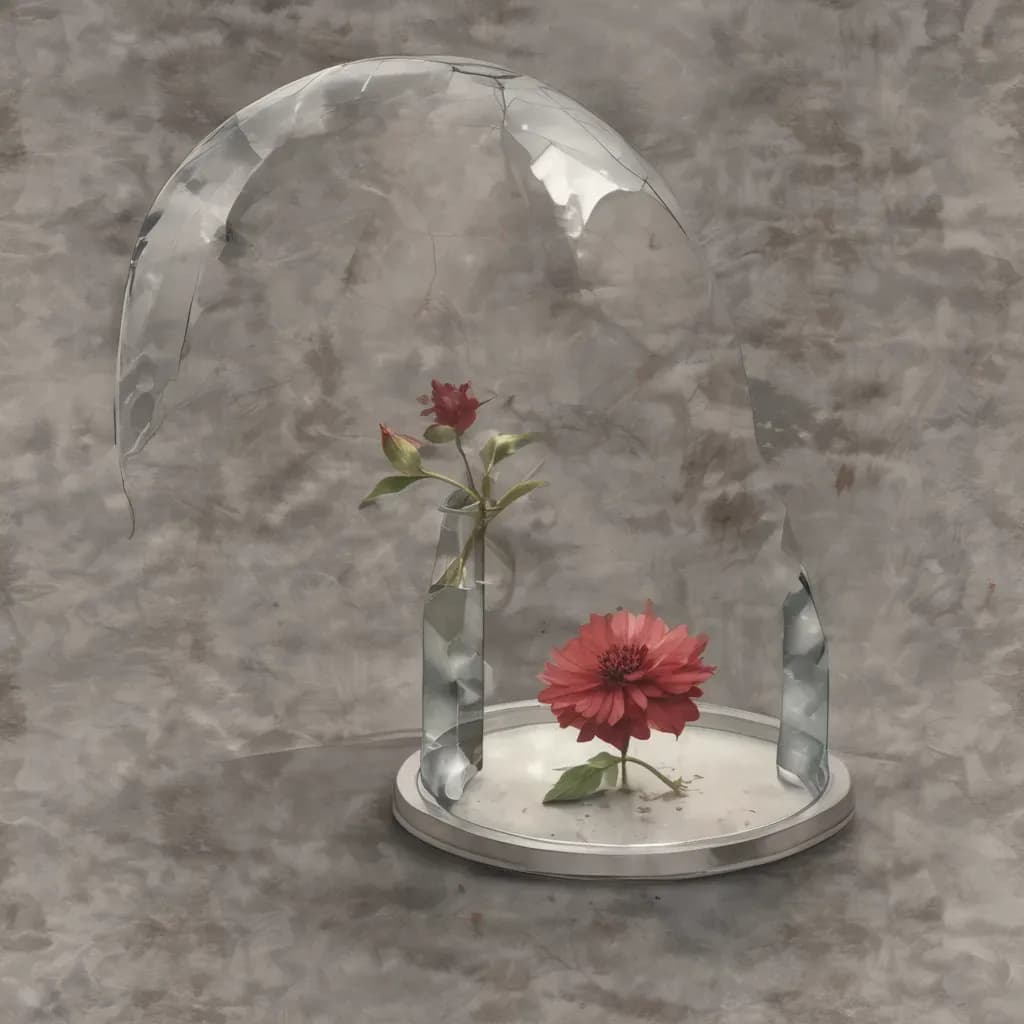
Immortalized is a word with two edges. To be immortalized is to be preserved, carved in stone, written into the story people keep telling. It is also to be fixed in place, stripped of the right to change, turned from a person into an image. A song with that title, written by a former child star, asks a loaded question before a single note plays.
One honest note first. The album that holds this song is days from release,[1] and I could find no interview, review or official comment about this specific track. Nothing about its words, its producers or its sound has been published. What follows is a reading built from the title, the song's place in the running order, and what is publicly known about Dove Cameron and her debut album. Where this essay is interpreting and not reporting, it says so.
Where the song sits
FINAL GIRL has eleven tracks and arrives on November 6, 2026 through Disruptor Records and Columbia Records.[1][2] Immortalized is tenth, tucked between Breaks Open and the closer, Maybe Heaven Is a Jazz Club.[2]
Late placement matters on a debut album. The penultimate slot often holds the heaviest or most reflective song, the one that has to earn the closing track. Here the neighbours are suggestive. Breaks Open implies rupture or release. Maybe Heaven Is a Jazz Club imagines an afterlife as a specific, intimate room. A song about being made immortal, sandwiched between them, sits right on the border between the two: something cracks, something endures, and then comes a vision of the hereafter.
The album opens with a track that evokes cinema, and its title and cover both lean on horror imagery. Reporting on the record notes that the phrase "final girl" comes from slasher films, where it names the woman who survives to the end, and that Cameron has not officially explained how the title relates to the songs.[2] Even so, a record that begins at the movies and ends in a jazz club has an obvious shape: a life seen through screens, then the question of what lasts.
The career behind the word
Dove Cameron was born Chloe Celeste Hosterman and took her stage name after her father died when she was a teenager.[4] She became famous as a Disney Channel lead, first in Liv and Maddie and then in the Descendants films, before moving into pop, where Boyfriend became a Top 20 hit in 2022 and won her an MTV Video Music Award for Best New Artist.[4]
Few careers have asked a person to be preserved at a fixed age as insistently as a children's television one. The characters she played were, for a generation of viewers, permanent. They replayed on screens long after the person who played them had grown up and changed. Anyone who has lived that way has a particular relationship to the idea of being immortalized, and it is rarely a simple one.
Her path since has been a deliberate rewriting of that image. The record arrives after years of singles and an earlier EP, and Karlobag reports that she described in early 2026 an album that had been finished in 2024, then weakened by songs released on their own, before she rebuilt it with newer material and a more organic sound.[2] That is the story of an artist taking control of her own archive.
First reading: the cost of being remembered
The most natural way to hear the title is as a song about fame. To be immortalized by an audience is to have a version of yourself kept for them, whether or not you agree with it. The image outlives the person, and the person is left to live alongside it.
That would make this a close cousin of the album's themes of identity. The cover shows Cameron surrounded by darkly dressed doubles of herself,[2] and while the doubling has not been explained, it is tempting to connect it to a song about copies, statues and fixed images. Immortality, in this reading, is not a gift. It is a kind of haunting.
Second reading: love as monument
The title can also be tender. Lovers have always talked about making each other eternal: the song, the poem, the vow. Cameron's lead single, When in Rome, has been widely read as a warm love song tied to her relationship with Damiano David,[1] and the album seems to move between adoration and something sharper.
In that frame, being immortalized would be the highest compliment one person can pay another, a promise that they will be remembered and honoured. The darker side of the same idea is that love songs freeze the moment. A relationship written into a song can never be revised, even after the people in it have changed or parted.
This is where the second single becomes useful context. Do the math is described as a piano-led song aimed at a person who keeps blaming others for a pattern they share in making.[2][3] An album that holds both tenderness and accountability could easily contain a song about who gets to author the record of a love, and how long it is allowed to stand.
Third reading: survival as a kind of immortality
Go back to the title of the album. In a slasher film, the final girl is the one who lives. She does not become a monument; she walks out of the story. To be immortalized in the horror sense might mean the opposite of dying: being the one who remains.
Read that way, Immortalized could be a song about outlasting. It could be about surviving a relationship, a public persona or a version of herself that the world loved more than she did. The song would then sit just before the closing jazz-club fantasy as the last argument for endurance, with the final track allowing herself a softer, more speculative idea of what comes after.
That is the most hopeful of the three readings, and it matches the way reporting frames the album title, as a possible metaphor for survival and regaining control.[2]
Cultural resonance
Songs about legacy have a particular pull in the present moment. Fans archive artists in real time, clips and screenshots circulate for years, and a person's teenage self can be revived at any moment by a stranger. To be immortalized now means to be indexed, whether or not you wanted it.
For a pop star who began on children's television, that situation is amplified. The audience that grew up with her has carried her earlier selves forward with real affection, and she has spent her adult career negotiating that affection. A song that names the condition directly would speak not only to performers but to anyone who has had to live with a past version of themselves held up by other people.
Alternative readings
The title may be a trap for the interpreter. It could describe a single event, a particular night remembered in detail, or a friend or family member whose memory the writer wants to keep alive. Given her history with loss, a song about preserving someone who is gone is entirely plausible, though nothing published says so.
It may also be sonically unexpected. Reporting on the record suggests a move toward a more orchestral, organic sound,[2] and a song with such a grand word in its title could be spare and quiet instead of huge. Titles on this album, as on many, are doorways and not summaries.
Conclusion
For now, Immortalized is a title, a position and a context. The title holds a promise and a threat in the same word. The position places it between a rupture and a heaven. The context is an artist who has spent her life being preserved by other people and who is now presenting a debut that, by its own name, is about surviving to the end.[2]
When the album is out, listeners can test each of these readings against the song itself. Until then, the fair thing to say is that it is a good question for this artist to be asking: when the world decides to keep you forever, who gets to decide which version of you stays?
References
Keep reading
More by Dove Cameron
More Pop
- Georgia on My Mind Ray Charles
- Out of Nowhere Gracie Abrams
- Go Easy Dua Lipa
- CHANEL Tyla
- Espresso Sabrina Carpenter
- Bed Chem Sabrina Carpenter