Midnight Sunshine
Every album built around darkness eventually needs a window. On Carnaval De Luz, that window is a loose, sunlit, almost casual track placed tenth in a sequence of twelve, a song that sounds like a day at the beach and carries a surprisingly stubborn argument about fear.[2][3]
It is not the loudest or most ambitious thing U2 recorded for the record, and some critics barely noticed it. But it contains one of the clearest statements of what the band says the whole project is for.[1]
Where the song sits
Carnaval De Luz arrived on November 13, 2026, as U2's first full set of new songs in nearly a decade.[5] Bono has described the carnival idea as the concept from the very beginning, paired with the notion that the condition of light is darkness.[5] The record leans into that tension, building a festival out of worry.
By the time this song arrives, the album has already taken a gothic turn. The track just before the midpoint dwells on the devil, and the one after it is about silence.[1][2] Then comes this track, which loosens the mood, picks up a piano figure and lets the band play something close to easy.[2]
In sequence it works like the afternoon between two nights. It looks back at the shadows the previous songs described, and it says out loud what the band wants to do about them.
A band trying on soul
Bono himself introduced the track as U2 trying out some soul shenanigans, and he named Smokey Robinson as a reference point.[1] He added that an early version had a falsetto part in the verse, a detail that tells you how far the writing started from the band's usual stadium register.[1]
The finished recording does not sound like a Motown pastiche. ClutchPoints heard a beachy rock song that opens with a piano riff, as if it were drifting out of an old stereo, before The Edge's bright chords drag it into the present.[2] The same outlet compared its undeniably joyous mood to something like a Jack Johnson tune, which is a long way from the Achtung Baby gloom that the album sometimes evokes.[3]
That lightness is a deliberate choice. The band said they made the melodies sweeter on purpose, on the logic that if the world is dark, a band should not add to it.[6] Here the sweetness is the message, not a distraction from it.
Hope and faith are not the same thing
The central idea, in Bono's own account, is the difference between hope and faith, and how faith can help you with hope.[1] It is a neat distinction. Hope is a mood, and moods depend on the news. Faith is a practice, something you keep doing when the mood has gone.
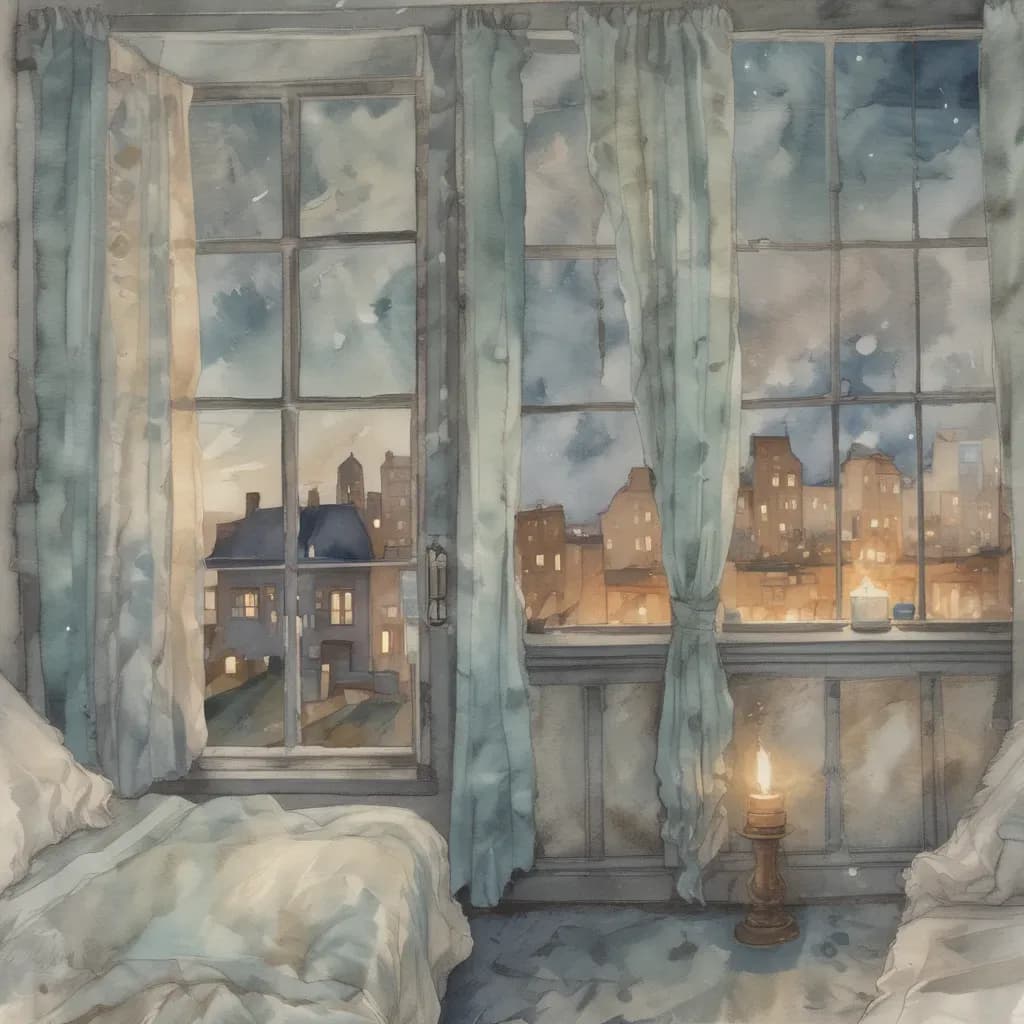
Seen that way, the title makes sense. Midnight sunshine is a contradiction, light at the hour when light should be absent. It is the image of a person who keeps the lamp on without any evidence that morning is coming. The ClutchPoints reviewer put the same thought in simpler terms, hearing the song as a track about the glimmers of light found inside darkness, where the sunshine of the title is the friends who help you through troubling times.[2]
This fits the larger design of the album. The band presents the record as a political statement in the sense that it is aimed against cynicism, and The Edge has said that giving in to cynicism means the game is over.[6] The song turns that stance into something a listener can hum.
Fear as a daily routine
The lyrics move through a handful of images that are easy to follow without being quoted. The narrator opens by describing a loss that somehow registers as a gain, then pictures himself watching the world turn from a high vantage point, as if floating near a ceiling.[3] A later passage worries about a small screen that shows how unkind people can be, and the reviewer read it as a comment on social media and sensory overload.[2]
The sharpest turn is a warning about catastrophizing. The lines argue that imagining the worst can become a way of glamorizing the world's pain, a habit that makes suffering feel more important than the people suffering.[3][4] It is a striking thing for a rock singer to say, because rock has often trafficked in exactly that glamour.
Bono's own explanation is balanced. He says it is part of being human to imagine what can go wrong and prepare for it, and that right now things are going very wrong in the world. His concern is that people fighting to put things right must take care not to let fearfulness settle into a daily routine.[1]
That is a more humane position than a simple call to stay positive. It grants that the worry is reasonable and objects only to the habit of living inside it.
The devil and the volume knob
Like the songs around it, this one brings the devil back. The thread runs across the sequence. ClutchPoints counted this track as part of a devil-themed run that follows the mid-album song about the fear of war.[2]
The approach here is practical. The song advises against making the devil bigger by repeating his name, in other words against giving the villain more attention than he deserves.[2][4] Bono says listeners can fill in the blank for who that figure is, whether a person, a platform or an idea.[1] What he wants, in his words, is for the attention eaters to be spat out of our lives, and he describes clever people trying to control the rest of us through fear.[1]
He also links the track to its neighbor about silence. When the devil calls for quiet, Bono says, that is the moment to turn up the music.[1] It is a small piece of rock and roll theology. The antidote to manipulation, in this telling, includes faith, laughter, and dancing as a kind of prayer for company.[1]
That last phrase connects the song to the dance-as-protest idea that Bono sets out elsewhere in his track-by-track notes, where he quotes the line that people in the darkest days of the AIDS crisis buried their friends, protested, and danced all night.[1] The carnival, in other words, is a form of resistance, not an escape.
How critics received it
Reception was lukewarm. ClutchPoints ranked it tenth out of twelve, which is hardly a rejection but not a rave.[3] Rolling Stone Italia went further, saying that the second half of the album, around this song and its neighbor "Can't Stop Us Now," seems to run out of energy, even while calling the album the band's best work in many years.[4]
That is a fair complaint about pacing. The song does not build or climax. It stays in one warm key and makes its point lightly.
But it is also possible to hear the lack of drama as the whole idea. A song about not being ruled by fear would sound strange if it tried to frighten the listener into agreeing, and its easy gait is the quality that makes the argument credible.
Other ways to hear it
One reading is personal. The song is about a private habit of mind, the tendency to scroll, brood and rehearse disasters, and about breaking that habit through company and routine.[2]
A second is political. The album is framed as a record against cynicism, and the song's targets, the attention eaters and the people who control others through fear, are clearly public rather than private.[1][6] On that reading the devil is a stand-in for any force that profits from panic.
A third is religious. The hope and faith distinction is the language of a believer, and the carnival framing of the album places it inside the church calendar. Faith, here, is what you do on the ordinary afternoon.[1]
Bono's own comment leaves the target deliberately open, which means all three readings stand. He seems happy for the listener to supply the villain.[1]
Why it resonates
Part of the appeal is timing. Many listeners spend their days inside a stream of alarming headlines, and a song that names that condition and gently declines to join in feels useful.[1][3]
The other part is tone. U2 have a long record of grand gestures, but this song makes its case in a relaxed voice, as one friend talking to another. That quiet manner is what lets the idea land.
One caution applies. Most of what has been published about this particular song comes from reviewers and from Bono's own notes, and the lyrics are best read in full on a lyrics site. The interpretations above are informed listening, not an official decoding.
Conclusion
"Midnight Sunshine" is easy to pass over in the second half of a long album. It rewards a second listen because it names the choice at the heart of the record. You can imagine the worst and let it run your day, or you can plan for it and keep the music on.[1]
The band picks the music. After fifty years, there is something disarming about a group that answers the dark with a piano figure, a sunny groove and a shrug.[2]
References
Keep reading
More by U2
More Rock
- Sad-Eyed Lady of the Lowlands Bob Dylan
- Just Like a Woman Bob Dylan
- My Generation The Who
- Lake Ontario Bryan Adams
- Can't Stop Us Now U2
- Don't Stop Believin' Journey