Pick You Up
Some songs announce themselves with a thesis. This one makes a small, practical offer. If you are stuck, if the night has gone wrong, if you have lost your footing, someone will come and get you. That is the whole premise of the title track of Sheryl Crow's 2026 album, and its modesty is exactly the point.
At two minutes and fifty-four seconds, it is the shortest of the seven songs on the record[1][2]. It is also the one that critics keep returning to as the album's thesis statement, the place where a collection about loneliness stops describing the problem and starts offering a hand.
Where the song comes from
Pick You Up is a seven-track album released on October 9, 2026, on Crow's own Old Green Barn Productions label[1][3]. Every song was written by Crow and her longtime collaborator Jeff Trott, who also co-produced the record with her[3]. The title track is third in the sequence, after the opening freight-train meditation on isolation and a song about the limits of caring for someone.
The album did not begin as an album. Crow has said she first planned a six-song EP, and expanded it to full length only after she finished the closing song, "Freedom Bus," which captured how she felt about the state of the world[3]. That origin matters. The record grew outward from a political and civic unease, and the title track is the intimate, person-to-person counterweight to that larger worry.
The timing also carries some career weight. A review in Ultimate Classic Rock notes that the previous album, Evolution (2024), was her first not to reach the Billboard 200, and that she had announced years earlier that Threads (2019) would be her last[2]. Seen that way, Pick You Up is a return to a comfortable, Americana-leaning home base, made by an artist with little left to prove and a lot she wants to say[2].
A promise, not a cure
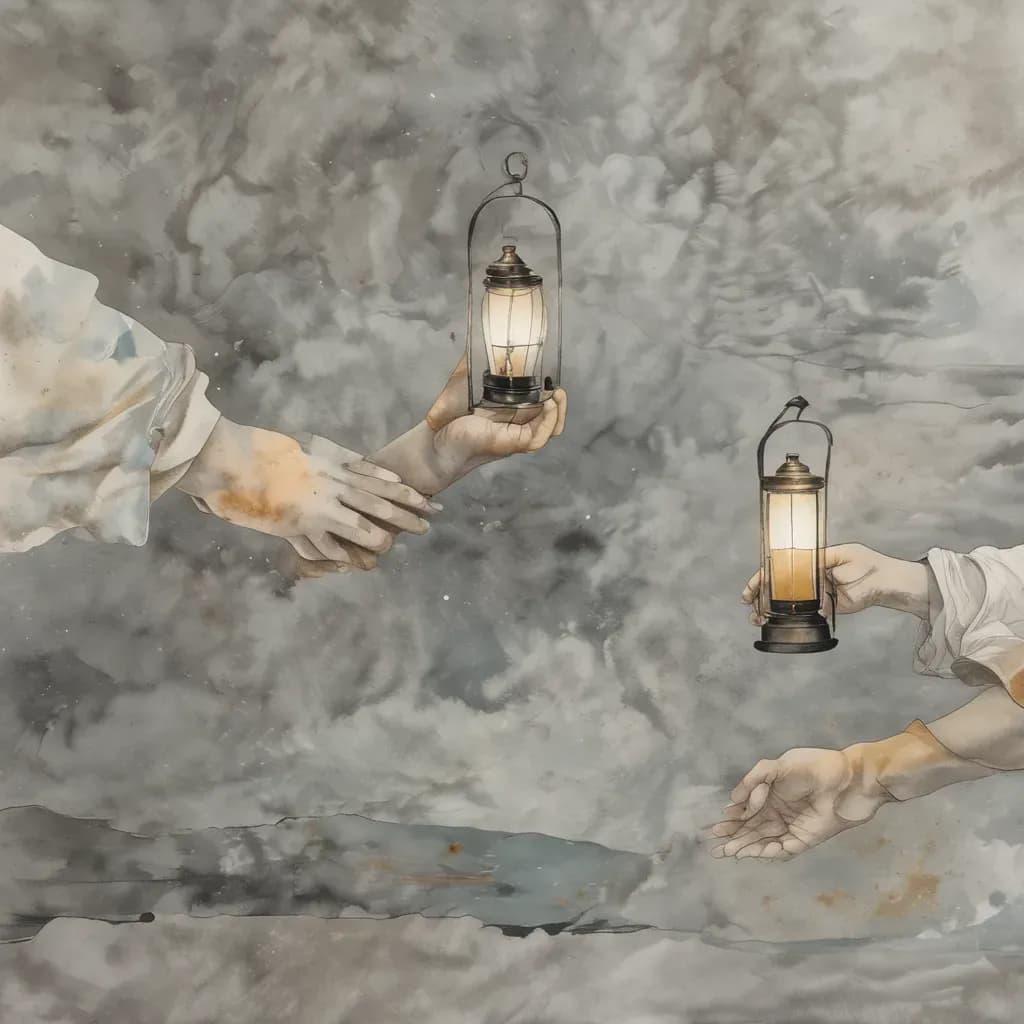
The most striking thing about the song is how small its ambitions are. It does not claim to fix anything. The narrator does not promise to solve a friend's problems, only to show up. One reviewer at RIFF reads it as a modest vow: when the party ends and someone needs a ride home, she will be the one who arrives[7]. Crow's characters, in that critic's phrase, offer company rather than solutions[7].
That framing fits the way Crow herself talks about the record. She has described the songs as commentary on being human and wanting connection, and she has said she feels alone amid a great deal of chaos[1][4]. The song answers that feeling in the most direct way available. It imagines the opposite of isolation, which is not a grand reunion but a single reliable person in your corner.
The album's publicity describes the song as one of encouragement, built around the idea that figuring out life takes time and that having an ally is a blessing[5]. The first verse, as one write-up paraphrases it, is about getting someone out of a rut, and the chorus repeats the commitment that help will arrive when things get too rough[6]. The emotional logic is simple and deliberate. Repetition becomes reassurance.
The shift from "I" to "you"
PopMatters made a sharp observation about the album as a whole: across its tracks, the narrator's perspective moves from "I" to "you"[8]. The record opens in private loneliness and gradually turns outward. The title track is where that turn becomes explicit. It is a song addressed to another person, with a clear job to do for them.
This gives the song a slightly different function from the typical comfort song. Many songs about support are really about the singer's own feelings of devotion. Here the weight rests on the listener, who is placed in the position of someone being offered a lift. It is a song you can imagine receiving, which may explain why it lands as sincere rather than sentimental.
The sound of reassurance
Musically, the song is built to feel like a steady companion. RIFF describes a midtempo roots-rock arrangement, with electric guitar riding a driving rhythm[7]. A more promotional description from ArtistRack mentions a chugging, acoustic-driven groove, warm bass, organ swells and clean electric licks, with lean verses opening into a large chorus and layered harmonies[6]. Treat that detail with some caution, since it comes from a promotional blog, but it matches what other critics hear.
The credits support the picture of a live, band-driven performance. Crow plays acoustic guitar and bass and sings lead and backing vocals. Trott adds acoustic and electric guitars along with claves, Audley Freed contributes electric guitar, and Fred Eltringham plays drums[3]. It is the sound of musicians in a room, not a production built to chase radio.
PopMatters points out that the two songs preceding it are restrained, and that the title track is where Crow first returns to her full strength, the closest thing on the album to her older rollicking, guitar-strumming style[8]. Placing the most energetic song third is a smart sequencing choice. After two quiet songs about distance, the music itself seems to stand up and offer its arm.
Loneliness as the background hum
To understand why such a simple song matters, it helps to look at what surrounds it. The album's other tracks deal with isolation in a crowd, the limits of caring for someone, the exhaustion of retreat eased by a stranger's small kindness, the humor of getting older, and the search for signs of renewal after a mess[9][7]. Crow has said of the opener that she has often felt alone even when surrounded by people, and that the song is about knowing we are not alone in that feeling and that it will pass[4].
Seen against that background, the title track is the plain answer to the question the rest of the record keeps asking. If everyone is lonely, what can one person actually do? The song's reply is almost stubbornly humble. Be reachable. Be willing to drive over.
Politics at human scale
PopMatters calls the record Crow's most political to date, and describes a central message that meeting hatred with hatred blocks progress while connection helps people survive[8]. The Spin interview supplies some personal texture for that stance. Crow recalled a visit to Arlington National Cemetery with her son's eighth-grade class early in Donald Trump's first term, and said she was disturbed to think about the people who had served with an altruistic idea of fighting for democracy[9]. She has also framed the album as the work of a mother of teenagers wondering what kind of world her children will inherit[9].
The title track does not mention any of this directly, and it does not need to. RIFF argues that the album reduces big questions to human scale, so that the answers become small acts: offering a ride, giving up a seat, forgiving someone[7]. In that reading, the song is the political program of the record in its most distilled form. A society, the album suggests, is a lot of people deciding to pick one another up.
Other ways to hear it
Not every listener will hear a purely hopeful song. Because the album sits next to tracks about alienation and national division, the title track can sound like a promise made against long odds, the kind of vow you make because the alternative is despair. Crow's own language leans this way too. She has compared being awake to trudging through a burning desert, while insisting that we are never alone and that beauty is everywhere[1][4]. Hope in this framing is not naive. It is a decision.
There is also a quieter, more personal reading. Crow is in her sixties, a mother of two sons, a cancer survivor, and a veteran of a business that is not famous for loyalty. A song about having someone in your corner could easily be a thank-you to the people who have been in hers. Nothing in the available interviews confirms this, so it remains a listener's interpretation rather than a documented fact. But the song's plainness invites that kind of personal projection.
There are critics who found the whole album a little thin. Ultimate Classic Rock observed that at roughly twenty-five minutes, it can feel like a quickly assembled set of whatever songs were finished, and that it carries some tentativeness[2]. PopMatters gave it a 6 out of 10, while RIFF gave it a 7[8][7]. Even in those mixed assessments, the title track tends to be singled out as the moment where the record's purpose becomes clear[2][8].
The video and the cover
An official video for the song arrived alongside the album[5]. The album cover, a painting by Tyson Grumm called The Elephant Who Forgot the Ocean, was chosen by Crow after she spotted it at auction and bought the original[3][1]. She has said she is drawn to the wonder, playfulness and underlying melancholy of the artist's work[1]. That mixture of delight and sadness is a fair description of the title track as well.
Why it resonates
The song works because it refuses to oversell itself. In a period when so much popular music and public speech is built on grievance or spectacle, a three-minute promise to show up feels almost radical. It asks nothing of the listener except that they accept help, and it asks nothing of the singer except that she keep her word.
Crow has said she hopes listeners feel the hope she feels when she sings these songs, and that the chaos is only of a moment[4][5]. The title track is where that hope becomes concrete. Not a slogan, not a solution, just the sound of someone pulling into the driveway.
References
Keep reading
More by Sheryl Crow
More Americana
- Flat Earth Sheryl Crow
- Freedom Bus Sheryl Crow
- I've Got Your Number Sheryl Crow
- Heaven Help Us Sheryl Crow
- The Governor's Waltz Phoebe Bridgers
- Haunted Phoebe Bridgers