Secrets of Patriarchy
Most albums open by showing off. This one opens by showing a schedule. "Secrets of Patriarchy" follows a man through a single long day of errands, meetings, family duties and studio hours, and lets the listener slowly work out that all this motion is not the same thing as arriving.
It is the first track on The Fork and Knife, Skepta's first solo album in seven years, and it sets the terms for everything after it.[1]
Seven years and a different man
The album came out on November 6, 2026, through Big Smoke Records and Epic Records, his sixth studio album and the first since 2019's Ignorance Is Bliss.[5] In the gap, Skepta turned 44, had another child, built the clothing label Mains and moved into acting, directing, painting and DJing.[1]
Reviewers noticed the change in posture straight away. Complex described a more settled Skepta and called the opener a set of meditations on fatherhood, adding that it is clear he has done a lot of growing up.[2] One of its writers heard it as an evolved version of the opener to his earlier album Blacklisted, another day-in-the-life scene-setter.[2]
That is why the song works as a mission statement. The record is framed as an immigrant story, and this track is where the story's main character is introduced.[1]
A day told as an inventory
The verses are organized by the clock rather than by argument. According to a track-level summary, the narrator comes home from the studio in the early hours, grabs a short nap, takes the children to school, trains, phones his mother (who worries about her eldest), sits through a short meeting, has a fitting with a luxury fashion house, shops, catches up with a colleague from the Mains office, takes a grieving sibling to dinner, drives home to children who are already asleep, and ends the night back in the studio.[6]
Dazed picks out the same texture: school drop-off, the gym, a dinner with a designer from his own label.[1] None of these moments is dramatic. That is the point. The song treats ordinary logistics as the real subject, and the glamour (the fashion invitations, the jewelry) is folded into the list as just another item to be ticked off.
There is tenderness in the middle of the grind. Whispered affection to sleeping children and a partner who is as stretched as he is give the song its emotional center. The narrator is present in body and, by his own account, often absent in mind, unable to switch off even when the house is quiet.[6]
Work, in this telling, is closer to a compulsion than a career. The next day is described as a repeat of the same prescription, a framing that turns ambition into something habitual and slightly medicinal.[6]
The script men are handed
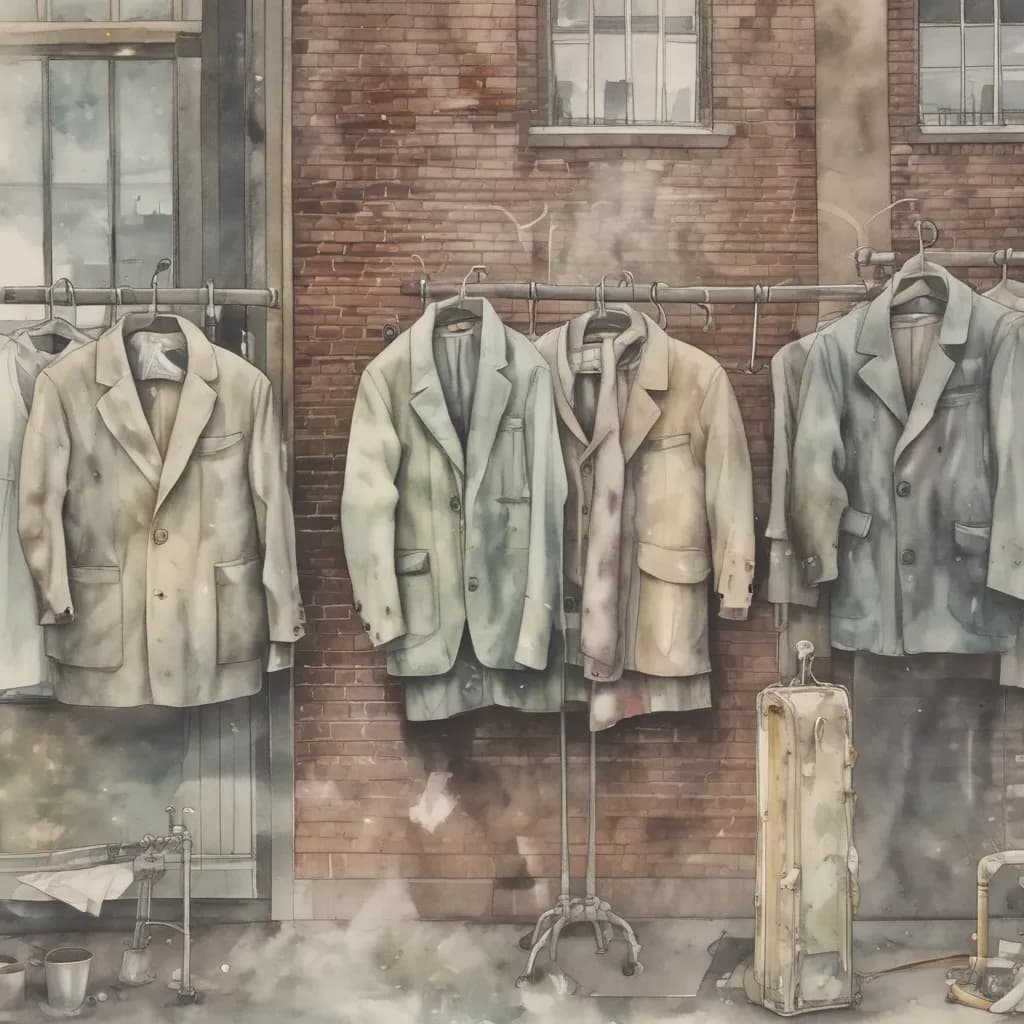
The title points at the hook, which runs through a list of instructions the narrator was given growing up. Do well at school, get a job, buy a house, take on a mortgage, be a man, hide your feelings, stay loyal to your crew, and be married with children by thirty. The list is delivered in the passive voice, as received wisdom rather than personal desire.[6] Dazed summarizes the same refrain as the goals placed on him in childhood, set against the way his music career pushed him off that path.[1]
Alongside the checklist come cautionary figures: the tough man who ends up crying in a courtroom, the husband whose divorce costs him half of what he built.[6] These are the hidden costs implied by the title. The secret is not that the script is cruel. It is that following it faithfully still leaves you tired, anxious and short of time, and that nobody warns you.
TNT frames the song the same way, as a reflection on the instructions handed to men (make money, start a family, succeed, provide) that the narrator has largely met, only to find the reality is exhausted mornings and competing responsibilities with no room to enjoy any of it.[3] The phrase "patriarchy" is therefore used less as a sociological accusation and more as a description of a pressure that recruits men and then exhausts them.
A second tension sits inside the hook. The narrator was supposed to be the one who ended a cycle, and instead he found a different route that carried its own risks. Dazed hears this as the sense that his career kept him from the expected milestones, while the second half of his life is about reaching them on his own terms: a move to the countryside and a resolve to be a good father and partner.[1]
Name, race and the immigrant frame
The track begins before the day does. According to Complex, it opens in his school days as the child of Nigerian parents, with a classmate mocking his surname, Adenuga.[2] A second writer at the same outlet reads that as a song about identity for a Black British child of African immigrants, and about legacy, the wish to be good enough that his own children can be better.[2]
This is what keeps "patriarchy" from becoming an abstract word. The pressure to provide has a particular weight for the son of immigrants, for whom success is a family project and not only a personal one. The album title makes the link explicit. It comes from his Igbo Nigerian mother's saying that hard work would let him one day eat with a fork and knife, and he calls the record an immigrant story.[1] TNT tells the origin slightly differently, tracing the ambition back to his grandfather's observation of hospitality work in Nigeria, passed to his mother and then to him.[3]
Seen that way, the school-day taunt and the adult checklist belong together. One is an early lesson that his name marked him as different. The other is the long effort to prove, through productivity and provision, that he belongs. The song quietly suggests that both lessons were learned at the same age.
Sound: urgency with a lightness
Critics do not fully agree about how the track sounds. Complex places the introspection over hard-edged production at roughly 140 beats per minute, in a record it says is about three quarters pure grime.[2] Dazed hears upbeat grime that balances nostalgia and futurism, with a childlike beat in the manner of a classic Dizzee Rascal single.[1] TNT, by contrast, describes the production as sparse and cold.[3]
These readings are less contradictory than they look. A fast, clipped beat can feel buoyant and bleak at once, which suits a song about a person who is always moving and never resting. The childlike quality noted by Dazed also fits the subject, since so much of the song is about children, and about the child the narrator once was.
One credit worth stating plainly: coverage of this track does not list a producer, and nothing in the reviews places a guest on it. The album's guests (including Asake, Central Cee, Jorja Smith and Project Pat) appear elsewhere in the sequence.[4]
How it frames the album
That Love Podcast calls it a scene-setting piece that gives the album its emotional coordinates, and notes that masculinity, the duty to provide and the habit of hiding fatigue run through the rest of the record.[4] It also points to a structural pairing with the closer, "Belly": one begins in solitary memory and the other ends as a shared performance with a crowd of collaborators.[4]
The sequencing makes sense. Having a rapper open an album by listing his own anxieties is a deliberate reversal of the form. It tells the listener that the usual boasting has been postponed, and that the victories to come on the album have to be read against this ledger of what they cost.
Skepta has said in interviews that he does not want his son to turn out like him and would prefer a regular, kind boy to a hardened one, a line of thought Dazed ties to the track.[1] It is a small admission, but it explains the tone. The song is less an argument about gender than a father looking at a template and deciding what not to hand down.
Other ways to hear it
A skeptical listener could hear the song as a complaint from a man with a very comfortable life. Fashion fittings and front-row invitations are hard to square with a plea for sympathy. The song seems aware of this, and keeps the luxury in the inventory without lingering on it, but the objection is fair and some will not be moved.
A second reading treats it as a portrait of work addiction. Read that way, patriarchy is only one of the forces at play, and the real engine is a personal inability to rest. The partner who falls asleep first while he stays awake supports this view, since the tension in the house comes from his restlessness as much as from any social script.[6]
A third reading is generational. Skepta came up in grime, a scene that prized bravado, and the song is a mature artist quietly revising what that scene taught about being a man. The shift from the loud rhetoric of his earlier records to this level, domestic and uneasy register is the evidence.
Why it lands
"Secrets of Patriarchy" resonates because it describes pressure in the language of a calendar. Anyone who has felt that their life is a sequence of obligations done adequately, with no time left to feel anything about them, can find themselves in it.
It also reframes what an opening statement can be. By starting with fatigue, family and a name that was once used against him, Skepta signals that this album is about inheritance in both directions: what he was handed, and what he intends to pass on. The remaining tracks can celebrate, but this one explains what is being celebrated.
References
Keep reading
More by fakemink & Skepta
More Grime
- Pandora's Box fakemink & Skepta
- Chiltern Firehouse fakemink & Skepta
- Innocent Smile fakemink & Skepta
- Revenge fakemink & Skepta
- Victory Lap fakemink & Skepta
- Cold Shower fakemink & Skepta