Grandma Song
A title like this one sets a trap. Anyone who reads it pictures a specific person, a specific kitchen, a specific kind of love. The song may well deliver that. But the one commentary piece written about it so far reads it less as a portrait and more as a study in what it feels like to stand near someone you cannot reach.[1]
An honest note belongs here. The album this track sits on arrives on November 6, 2026, and the artist has not published an explanation of the song.[2] What follows draws on the available context and on the song's own shape, and it marks clearly where interpretation begins.
A quiet single in a lively rollout
The song was already streaming by mid October 2026, when the album was announced after a gap of just over two years.[2] It sits fourth on a twelve-track record, between a song called "Handsome" and the single "Hannah Montana."[2]
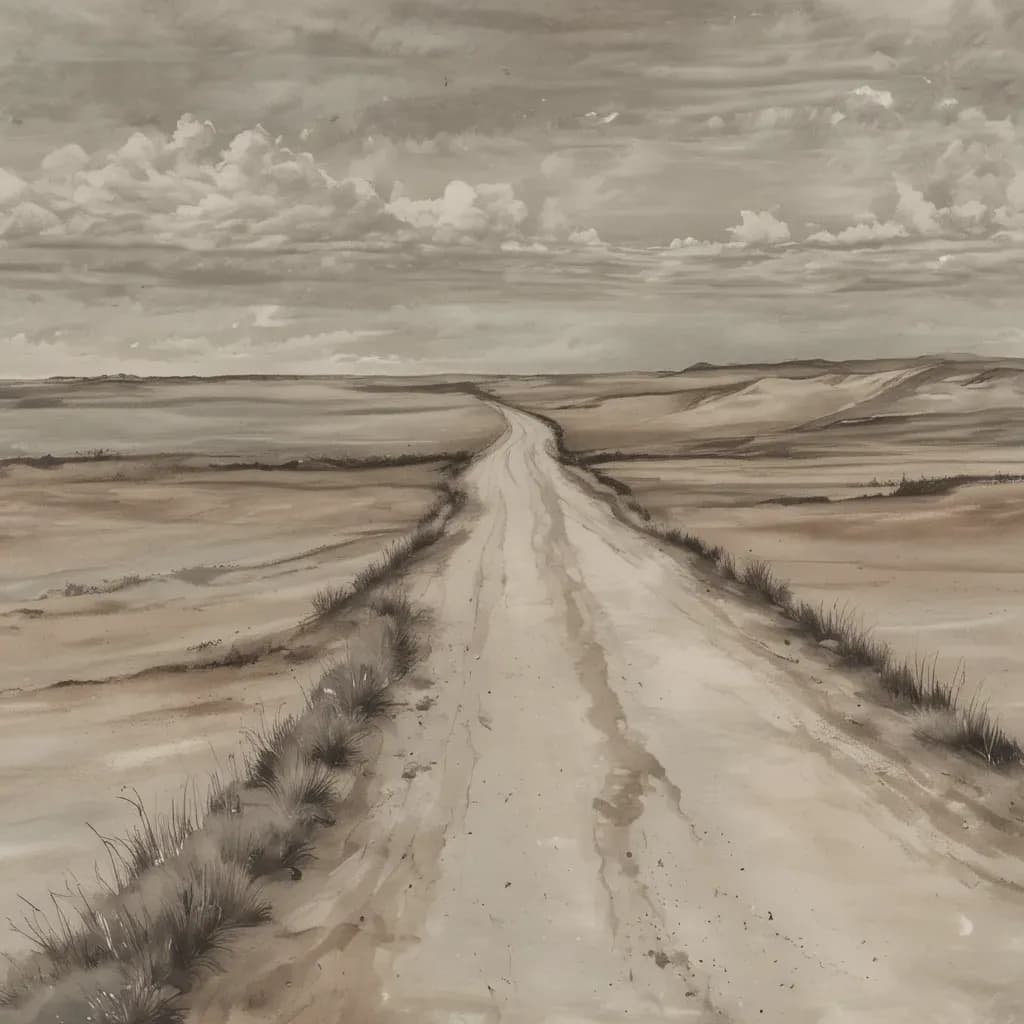
The surrounding campaign was playful and physical. The artist played secret shows in fans' living rooms across the UK, Ireland and Asia, and a global treasure hunt hid envelopes of artwork and handwritten notes in cities including Sydney.[1] Against that busy backdrop, this single is deliberately still. The visual that accompanied it was a low-key piece filmed against a wide Montana landscape, not a story-driven video.[1]
The sound follows the same instinct. Commentators note how sparse it is compared with the brass and jazz-leaning pop of the earlier albums Pony and WHO CARES?.[1] Space does a lot of the work here, and the stillness is part of the meaning.
The shape of the song
The writing circles one emotional situation: someone the narrator cares about is slipping away, and the narrator keeps offering small acts of effort. One verse, as described by that commentary, has him learning a new musical figure in the hope that it might finally get through. The chorus turns to the pain of allowing a person to go and leaving a piece of himself behind in something of theirs, an old and well-worn garment.[1]
Those two images pull in opposite directions, and that tension is the song. The first is about doing more, trying harder, becoming a better musician for the sake of one listener. The second is about surrender, accepting that effort cannot always hold a person in place. Between them lies the territory of helplessness the commentator identifies.[1]
Who is the grandmother?
The title suggests a grandparent, and it is natural to wonder whether the song grieves one. No source confirms that, and the single piece of commentary does not claim it.[1] The track is better approached as a song about family and closeness in general, a theme the same writer ties to the album's wider concern with relationships that are drifting or fading.[1]
There is a case for keeping the title open. Grandparents are often the first people we love who we know, even as children, will not be here forever. A song using that figure as a reference point can carry anticipatory grief even if the lyric never states it. It is also possible the title is affectionate shorthand, a private name for a song that began as a small domestic gesture and grew from there.
Both readings fit the material that is public. Neither can be proven yet, and the page will be updated when the artist speaks about it.
Patience as a form of love
If helplessness is the song's starting point, patience is where it settles. The narrator does not storm, accuse or bargain. He stays, he practices, and he waits. In a genre that often treats love as intensity, this is a gentler model: love as steadiness, as staying power.
That fits what the artist has said about his recent way of working. Having spent his early career making music largely alone, he has described opening up to collaborators since around 2024, with songs now beginning on a guitar in whatever city he happens to be in.[3] A song about reaching toward another person is a fitting product of an artist who is learning to let other people in the room.
The Montana setting of the visual deserves a note as well. A wide, sweeping landscape works as a counterweight to an intimate song: the narrator's problem is tiny and personal, and the world around it is enormous and indifferent.[1] The contrast makes the feeling of helplessness more vivid, since no amount of scenery can help.
Taken together, the sound, the setting and the title point toward a song built around a single emotional idea and unwilling to dress it up. That economy is a form of respect for the subject.
Where it fits on Dream Fatigue
The album's title joins aspiration with exhaustion, and the tracklist leans toward identity, performance and self-doubt, with song names such as "Roleplay," "Empty Stage" and "Indecision."[2] Within that set, this track is an unusually outward-facing one. Many of its neighbors appear to be about the self and its disguises. This one looks at someone else.
Its neighbor "Hannah Montana" was greeted as a break with past difficulties and a step into melodic calm.[4] Set beside that, the grandmother song is the more tender and unresolved companion, the part of the record where calm is tested by someone else's distance.
The rollout itself offers a quiet commentary. An artist who plays in strangers' living rooms and hides handwritten notes in envelopes around the world is clearly interested in closeness, in the small physical gestures that make a connection feel real.[1] A song about the limits of those gestures, about what happens when the effort to stay close is not enough, makes a thoughtful counterpoint to that warmth.
It also hints at why the single may have been chosen to lead the way. It shows the album can be tender without being sweet, and serious without being heavy-handed. Listeners meeting the record for the first time through this track get a clear sense of its emotional range before the louder, more playful songs arrive.
Other ways to hear it
One alternative is to hear the song as romantic. The language of leaving, and of something left behind in clothing, is common in breakup writing, and the title might simply be a joke or an inside reference. Another is to hear it as a song about the narrator himself, with the person who is drifting standing in for a former self or a lost sense of direction.
A third reading is musical. A narrator who learns a new chord to reach someone is also an artist describing his craft as an act of care. On that view the song is about the idea that making things, practicing and improving, is how he tries to stay close to people.
Restraint as a choice
It is worth pausing on how unusual this is for the artist's catalog. His breakthrough records were bright, gestural and eager to please, full of horns and bounce. A quiet single released ahead of a new album is a signal about priorities. It tells listeners that the record is willing to sit in discomfort and is not only chasing the next hook.[1]
Sparseness also changes how a vocal is heard. With little competing for attention, small things carry weight: a pause before a line, a breath, a change in tone. Listeners who come to the song expecting a sugary pop gesture may be struck by how exposed it feels. That exposure is consistent with the theme, since a narrator who has run out of solutions has little left to hide behind.
There is a long tradition of songs that sound small and carry large feelings, from kitchen-table folk to late-night soul. This track belongs to that family without copying any single member of it, and its modesty is the reason it can speak about something as heavy as watching a connection thin out.
Why it lands
Most people have stood where this narrator stands: near someone who is going, with nothing to offer except attention. The song does not resolve that feeling, and it does not pretend a solution exists. It stays with the feeling, which is why a spare arrangement serves it better than a lush one.
For an artist whose audience often grew up alongside his records, there is something fitting about a track on a sixth album that takes on loss more directly than the early, boyish love songs did. The voice is the same, but the stakes feel older.
Conclusion
"Grandma Song" asks what we do when effort is not enough. Its answer, as far as the public record shows, is to keep showing up, keep learning, and eventually to let go with grace. Whether its subject is a literal grandmother, a lover or a fading connection of another kind, the emotional ground is clear and recognizable.
Once the record is out and the artist has had a chance to say more, some of the questions raised here may be settled. Until then, the song works well as it is: an open door in a house where someone is quietly leaving.
References
Keep reading
More by Rex Orange County
More Indie Pop
- Beware of the Dogs Stella Donnelly
- I Have Always Loved You Freya Ridings
- Follow Me Alec Benjamin
- Lost In It Gracie Abrams
- Last Song I Sing pollyfromthedirt
- Everybody's Leaving December 10