Tequila Sunrise
Some songs announce their subject in the title and then quietly refuse to be about it. Tequila Sunrise is named for a cocktail, yet the person singing is not sipping anything sweet. He has been awake all night, he is a little drunk and a little ashamed, and the morning light is arriving whether he is ready for it or not.
Recorded by the Eagles for their second album, Desperado, it is one of the gentlest tracks the band ever released. It is also one of the most revealing, a small portrait of a man who borrows confidence from a bottle and pays for it by dawn.
Written in a single burst
The song comes from the very start of the Glenn Frey and Don Henley partnership. The two had not written together for the band's debut, but after finishing that record in London they began collaborating in late 1972.[4] Within the first week they had produced both the title track of Desperado and Tequila Sunrise.[1]
Frey later described how it came together. He was lying on a couch with a guitar when he stumbled on a riff that struck him as part Roy Orbison and part Mexican folk music, then played it for Henley and suggested they build something on top of it.[1] Henley credited Frey with the chord changes in the bridge.[1] Frey, for his part, said it was written quickly and that he did not think a single chord in it was out of place.[2]
The band's recording is light and unhurried. Frey sings lead over acoustic guitar, with Henley on drums and maracas, Randy Meisner on bass, and Bernie Leadon adding a bending, pedal-steel-like electric guitar plus acoustic solos.[1] Nothing is overplayed. The arrangement lets the harmonies carry the ache.
A title Frey almost rejected
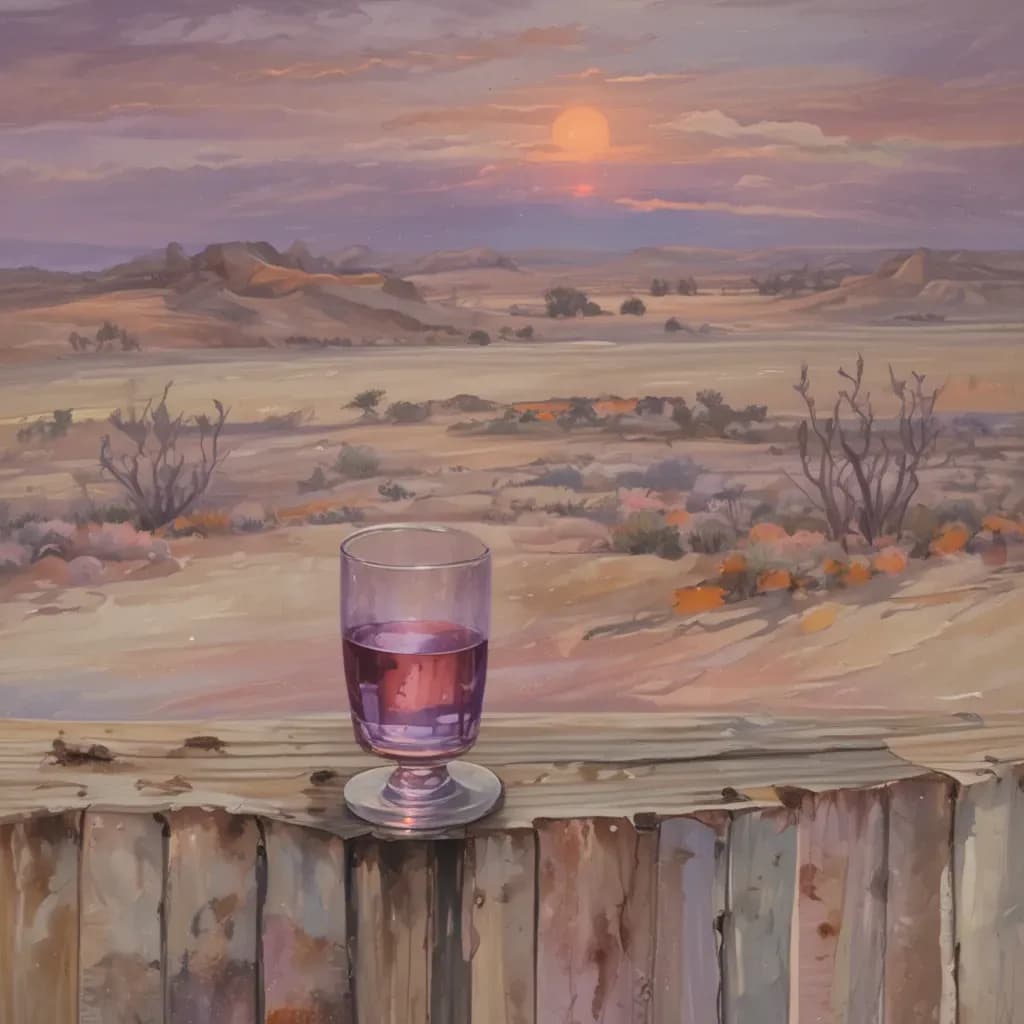
Here is the part that surprises people. Frey was ambivalent about the title, worried that it was obvious, even a cliche, given how fashionable the drink was in early-1970s California.[1][3] Henley pushed back and asked him to see it differently. The title, he argued, did not have to mean the cocktail. It could describe a man who has been drinking straight tequila all night as the sun comes up.[1]
That reframing is the whole key to the song. A cocktail is a social, decorative thing. Straight tequila at dawn is something else: a long night with no one left to talk to. Songfacts makes the same point, noting that the song is not really about the mixed drink at all and calling it a somber take on the subject.[2] Henley later said the song turned out to be a really great one, which suggests he was glad to have won the argument.[1]
Liquid courage
The central emotional mechanism of the song is borrowed nerve. In a 2003 interview with Cameron Crowe, Henley explained that tequila had a reputation among the band and their friends as instant courage.[1] They wanted to approach women but often lacked the confidence, and a couple of drinks later they were suddenly bold, with a breezy, swaggering manner they would not have dared otherwise.[1]
The song takes that familiar barroom ritual and looks at what it costs. Billboard summarized the theme as one man's effort to survive by leaning on that courage.[1] The narrator is not triumphant. He is propping himself up, and the listener can hear how thin the support is.
There is real tenderness in how the song handles this. It does not mock the drinker or moralize about him. It simply lets him sit in the dim light of his own habit, aware of what he is doing and doing it anyway.
The relationship that was never quite there
Beneath the drinking sits a love story that goes wrong. The narrator is drawn to a woman who, as Songfacts puts it, only wants to use him and move on.[2] The imbalance is the engine of the song. He invests feeling, she offers convenience, and the dawn exposes the difference.
What makes this land is that the narrator seems to understand it. He is not blindsided. He sees the shape of the thing while it is happening, which is a particular and very human kind of sadness. Knowing better rarely stops anyone.
The song also carries a quiet suggestion of the road. The narrator comes across as a hired hand, someone passing through whose position is never secure. Frey and Henley had both worked as backing musicians for Linda Ronstadt before the Eagles formed,[5] and some listeners hear the transient, replaceable feeling of a sideman in the narrator's resignation. That is an interpretation rather than something the writers confirmed, but it fits the song's mood.
Part of an outlaw album
Desperado is a concept record built on the Old West, comparing the life of an outlaw to the life of a touring musician. Songfacts notes that this song and the title track together established the Western frame, with the cowboy's rootlessness standing in for the rock star's.[2] The spring 1973 tour even used a Western backdrop.[2]
Read inside that frame, Tequila Sunrise becomes a lament from a washed-up cowboy who has lost the one thing that might have anchored him. American Songwriter hears it exactly this way, as the sound of a man whose better days are behind him.[3] The saloon and the bottle are the same ones that haunt a thousand Western stories, only recast in a soft California folk-rock voice.
It also sits beside the title track as a counterweight. Desperado is the grand, orchestral warning to a man who will not let anyone in. Tequila Sunrise is the smaller, more personal version: the private morning after, with no audience and no strings section.
The verse that got away
A fascinating wrinkle is that the studio version is not the whole story. On a 1973 broadcast of ABC In Concert, Frey sang an extra verse in which the narrator imagines escaping to Mexico, where life moves slowly and nobody knows his name. It ends with another sunrise and the narrator wondering whether he is growing wise or simply telling himself comforting lies.[1]
The verse was performed at other shows, including in Houston in 1976, but never made it to the album.[1] It is worth knowing about because it sharpens the song's ambiguity. Is the narrator on the edge of wisdom, or is this just one more hopeful story he tells at dawn? The released version leaves that question closed. The live verse reopens it.
Reception and afterlife
Tequila Sunrise was released as a single on April 17, 1973, between Peaceful Easy Feeling and Outlaw Man.[1] It was only a modest hit, peaking at number 64 on the Billboard Hot 100 and number 26 on the adult contemporary chart.[1] Songfacts observes that the theme did not connect with the public right away, but that the song lasted and became a staple of the band's catalog.[2]
Critics noticed it early. Cash Box called it a magnificent medium-tempo tune that seemed certain to become a classic, and Record World praised its folk-rock beauty and pedal-steel country feel.[1] Time has mostly agreed. Ultimate Classic Rock's Sterling Whitaker later ranked it among the band's most underrated songs, singling out Leadon's guitar and mandolin work and Frey's vocal.[1]
Alan Jackson recorded a version for the 1993 tribute album Common Thread: The Songs of the Eagles, and it reached number 64 on the country singles chart.[1] The fact that the song moved so easily into modern country shows how much of the genre's emotional language the Eagles had already absorbed.
It has also lent its name to a 1988 film starring Kurt Russell and Mel Gibson, though the movie shares only the title.[2]
Other ways to hear it
The most straightforward reading is a lonely drinker mourning a casual romance. But the song supports others. Some listeners hear guilt, a man who has done something he regrets and is drinking to quiet it. Others hear plain exhaustion, a performer worn thin by nights that blur into mornings.
The Western reading and the autobiographical reading need not compete. A song can be a cowboy's lament and a young band's private worry at the same time. Frey and Henley were at the beginning of a rise that would make them enormously successful, yet the song they wrote in that first week is not about triumph. It is about the fragile, borrowed kind of confidence that can vanish with the night.
Why it lasts
The enduring appeal of Tequila Sunrise is its restraint. It could have been a drinking song or a breakup anthem. Instead it settles for something quieter and truer: the moment when the lights come up, the courage runs out, and a person has to look at where the night left them.
Frey was worried the title was too obvious. In the end, the obviousness is a disguise. Behind a familiar phrase is an unusually honest song about wanting to be braver than you are, and about the gray, gentle light that shows you who you really were all along.
References
Keep reading
More Country Rock
- Outlaw Man David Blue
- Desperado Eagles
- Jesus Was a Cross Maker Judee Sill
- Hotel California Eagles
- Wild Horses The Rolling Stones
- Helpless Neil Young